

How to Spot Greenwashing in Fashion
Posted by The Ichcha Team on 19th Feb 2026
You care about what you wear. And you look for brands that say they do better for people and the planet. Yet quite unfortunately some brands still mislead you into buying unsustainable fashion items through greenwashing.
This guide breaks down what greenwashing is all about and how to spot it when shopping.
Key Takeaways
- Greenwashing happens when a brand makes false claims about its products, pronouncing them to be more eco-friendly than they actually are.
- To spot greenwashing in fashion, look out for misleading labels, research the brand, and check out their supply chain and environmental efforts. This will help you know if their actions match their words.
- Learning how to spot greenwashing in fashion is crucial as it allows you to achieve your goals toward sustainability. It helps you avoid misleading claims and supports brands that take responsibility seriously.
What Is Greenwashing?
Greenwashing happens when a brand falsely presents its products and activities as environmentally friendly. The goal is often to appeal to eco-conscious shoppers without making real efforts to reduce their environmental impact.
In fashion, this can take many forms. A fashion brand may promote one eco-themed collection while producing thousands of low-quality garments using environmentally harmful processes. Another designer may label their clothes as "green" but never explain how they're made or where materials come from.
A fashion company may even sell eco-friendly fabrics but use harmful dyes and production practices that sabotage the sustainability of the natural fibers.
A 2021 study by the Changing Markets Foundation found that over 59% of the "green" claims were misleading. H&M was found to have 96% of its sustainability claims as mere greenwashing.

But it's unfair that companies will want to take advantage of your desire to protect the planet to scam you. These companies claim to provide what helps you reduce your carbon footprint. But it's all a lie; the items only cause more harm.
So...
How Do You Spot Greenwashing?
These signs can help you spot greenwashing in fashion:
- When a brand says its clothing is better for the planet but offers no data, reports, or certifications, there's no way to know how credible the claim is.
- When they throw words like "eco-friendly" or "conscious" around but it's unclear whether the fabric is natural, biodegradable, or recyclable.
- When there's no transparency on how harmful dyes and production processes are avoided.
- When the brand avoids sharing where fabrics come from or how garments are made. (It often means they have something to hide.)
- When a brand says it is sustainable, whereas only a tiny part of its collections actually is.
- When they say they plant trees or give to a sustainable cause, but their fabrics and supply chain are harmful to the environment. Meaning one cancels out the other, so there's no net positive gain.
How to Avoid Greenwashing in Fashion
Here’s how to avoid greenwashing:
1. Pay Attention to Vague Language
If a brand only uses vague "green" terms but does not substantiate them, avoid buying from that brand. It's likely greenwashing at play. Research deep into their website to substantiate their environmental claims.
Brands that genuinely care about sustainability will be eager to share details about their environmental commitment, exactly what they’re doing to reduce carbon emissions, what they're doing to give back, or how they're making a difference.
2. Learn to Identify Sustainable Fabrics
One way to avoid greenwashing is to know different fabrics, to be able to tell which is eco-friendly and which isn't. For example, a brand may throw sustainability claims all around. But if you know that polyester and acrylic are harmful to the planet and you spot them in the brand's collection or label, you'll want to think twice before buying.
Read this blog on the most sustainable fabrics used in fashion.
3. Look Beyond the Fabric
Although natural fabrics are key, sustainable fashion goes beyond the material. A brand may sell sustainable fabrics like cotton and recycled polyester, but the sourcing processes, printing techniques, and labor practices may be anything but sustainable. So you don't want to be swayed by mere words like "100% organic cotton."
4. Look for Clear Evidence
A smart way to avoid greenwashing is to look for evidence behind the "green" claims. Reliable brands back up claims with evidence. This can be through photos, videos, statistics, or written sustainability reports on their website or a third party's. These documents demonstrate how materials are sourced, how workers are treated, how textile waste is minimized, and how environmental impact is monitored.
Sadly, up to 40% of products with “green” marketing claims lack any supporting evidence backing them up. That’s greenwashing.
Certifications are great, but they're not always reliable because fashion is heavily unregulated, so brands can self-award and get away with it.
5. Be Careful With Nature Imagery
 Images of nature are known to trigger positive emotions. Once you see a leaf logo, you subconsciously judge the brand as eco-friendly. Irresponsible brands take advantage of this to trick eco-conscious consumers. Don't fall for it.
Again, ensure there's information to substantiate that image.
6. Research the Brand’s History
Look at how long the brand has been making ethical claims and whether those claims have changed over time. Are they just making them now to appeal to the growing wave of eco-conscious buyers? If so, have their materials and processes equally changed?
7. Check the Full Product Range
It's not uncommon for a brand to have a small inventory of eco-friendly fabrics and a thousand others that are harmful to the environment. So check their full product range to know their overall commitment to sustainable fashion.
8. Stick to Brands With a Proven Commitment to Sustainability
When you find a truly sustainable fashion brand that prioritizes eco-friendly production, quality materials, and fair wages, it's advisable to stick with them. This prevents you from falling victim to deceptive marketing when you go searching elsewhere.

At Ichcha, we have built our sustainable textile brand on transparency and trust. We are aware of the staggering amount of greenwashing out there. We understand how this is making it difficult for conscious consumers like you to keep to that promise: to reduce their carbon footprint and make the earth a healthier, safer place for not just us but our children and future generations.
Which is why we do everything possible to be different.
From our material sourcing to production, printing, and packaging, our block print fabrics are made with sustainability in mind. Feel free to check out our website to see real-world evidence of how we're making a difference.
Read a quick overview of Ichcha's commitments to sustainability.
Why Brands Greenwash and Get Away With It

Greenwashing works because many modern shoppers want to make eco-conscious choices but do not have time to research every brand. This creates space for misleading claims to go undetected.
One survey found that 64% of Gen Zers and 63% of Millennials around the world are willing to pay more for environmentally sustainable products. More than one-third of Gen Zers avoid fast fashion. And 10% of shoppers claim to buy only eco-friendly products.
These numbers are enormous when you translate them to money. It means non-conscious fashion brands will lose out on a lot of customers and revenue if these individuals choose sustainable brands over them. No one enjoys losing money.
So what do they do?
Marketing teams know that emotional language sells. So all they have to do is use emotive words to paint their brand as eco-friendly. To sound appealing to this category of consumers.
Sadly, the fashion industry is unregulated. So fashion brands are able to make false claims with very little risk.
Another reason is cost. True ethical production often requires slower processes, fair wages, and better materials. Greenwashing allows brands to avoid such high production costs while still attracting conscious consumers.
Examples of Greenwashing in Fashion
Greenwashing appears in many common situations.
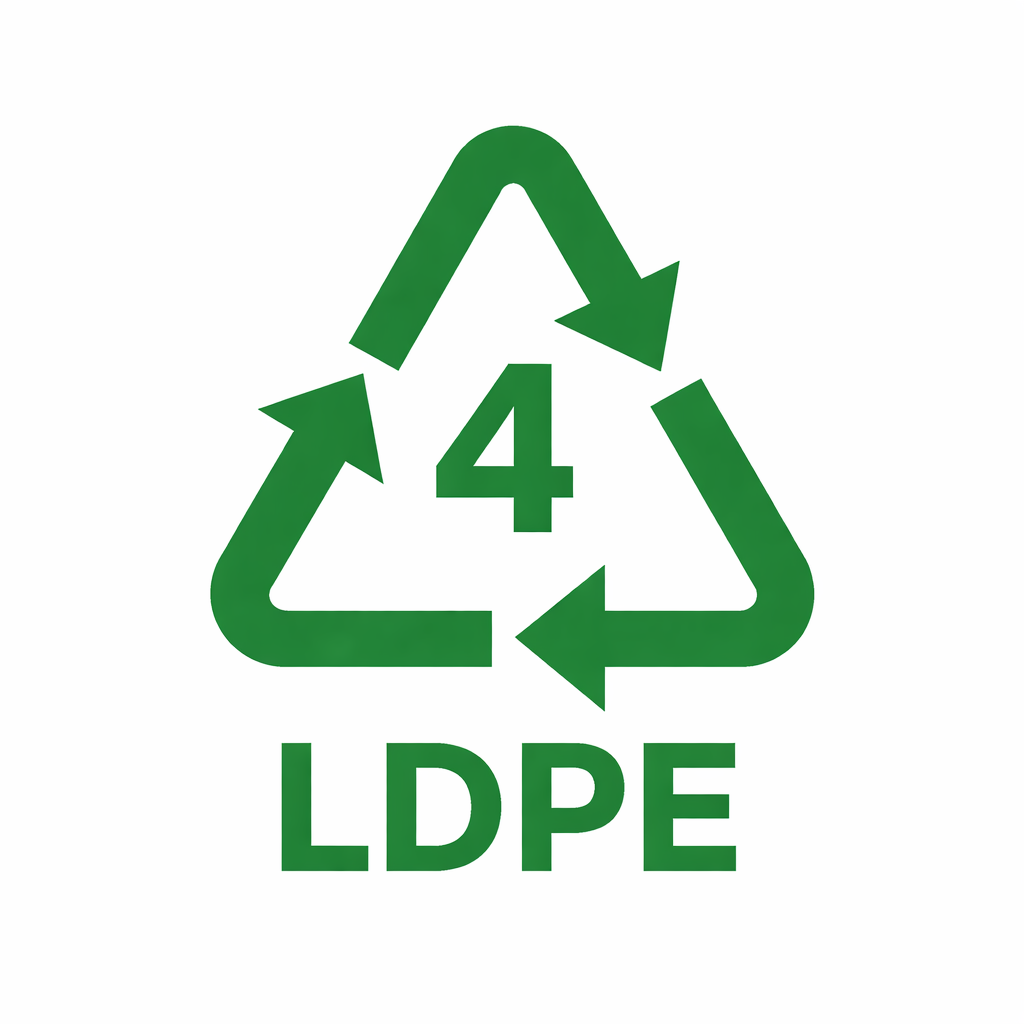
One of the most recent examples of greenwashing was when Kim Kardashian's shapewear brand SKIMS claimed that it does not use plastic packaging. Clearly written on the packaging where the words "I AM NOT PLASTIC.... I am compostable made from plants."
But upon investigation, the claim completely falls apart. The packaging has the triangular logo with “4” inside, indicating that the material is a type 4 plastic. So it is indeed plastic, as opposed to the claim. That's greenwashing for you.
Another example of greenwashing is when H&M launched its Conscious Collection. They used language associated with environmental responsibility, but it was later found that most of the products weren't significantly different from standard fast fashion.
You also want to be wary of carbon offsetting, which can be another type of greenwashing when done incorrectly. Carbon offsetting is the act of performing some sustainability-focused activities to offset the carbon emissions a brand releases. For instance, a fashion brand can say they plant a tree for every unit of CO2 their production releases into the atmosphere.
Problem with that is, such brands cannot always track how much carbon they are offsetting. Also, such claims can detract from the truth. The brand may continue contributing to enormous water pollution and violating labor rights and fair trade, but they feel they're doing enough just by planting trees.
It All Boils Down to This
Honestly, there's a truckload of greenwashing out there that might make you question whether your sustainability efforts are even worth it. I mean, if you're trying so hard yet get fooled and end up using items that are harmful to the environment, then why even bother, right?
But the good thing is, there are still companies putting in real effort to do the right thing and help you reduce your carbon footprint. And the fact that conscious consumers like you are interested in knowing how to spot greenwashing is something.
So don't relent now. Spot and avoid greenwashing by researching brands to verify their claims, learning to identify sustainable fabrics, being cautious of buzzwords and nature-based imagery, and sticking with brands that commit fully to sustainability.
Want to invest in fashion that aligns with your values? Visit Ichcha today.
Frequently Asked Questions on Greenwashing
What are some good ways to spot greenwashing?
You can spot greenwashing by checking whether a brand backs up its claims with clear evidence. Look closely at labels, materials, and whether the brand is transparent about its supply chain and production process. If the claims sound good but lack details, that’s a red flag.
What is an example of greenwashing in fashion?
A good example of greenwashing in fashion is when a brand claims its products are eco-friendly but only a small part of their collection actually is, whereas most of their products are synthetic and harmful to the environment. That mismatch between words and facts is greenwashing.
What is a key indicator of greenwashing?
One key indicator is vague language without proof. When brands use environmental terms but avoid sharing data about their products and processes, that’s a warning sign.
What are the 7 sins of greenwashing?
The 7 sins of greenwashing include hidden trade-offs, no proof, vagueness, false labels, irrelevance, lesser of two evils, and outright false claims. These sins describe the common ways brands mislead shoppers about environmental impact.