
How Long Does Plant Dye Last?
Posted by The Ichcha Team on 2nd Feb 2026
Table of Contents
We get this question a lot, especially from eco-conscious customers who love wearing naturally-dyed clothing but worry about whether the color will last at all. Well, honestly, there's no single number for how long plant dyes last.
From my experience, plant dyes can last for years, but it all depends on the dye plant used, the mordant applied, and how you care for the clothing.
Now, for a fabric dyed with beetroot or turmeric, unfortunately you're not going to get more than a few washes. But plant dyes like indigo and madder will give your garments many bright, colorful years. These longer-lasting dyes are naturally high in tannins. Tannins are natural mordants that bind dyestuff to the textile. So even with regular washing, the color doesn't break down as quickly.
The frustrating part in all this is, as a consumer looking to buy naturally-dyed clothing, there’s very little chance you're going to know what dye was used. That information is rarely shared.
But a considerate and conscientious brand will use long-lasting natural dyes.
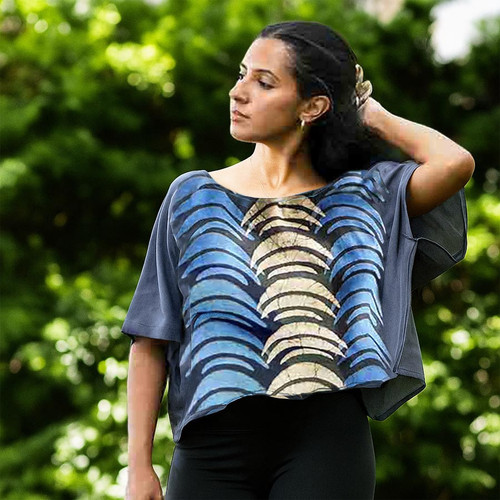
At Ichcha, we dye fabrics using the strongest dye plants like indigo, madder, and iron. We want you to enjoy the vibrancy of your sustainable clothing for as long as the fabric lasts. So we use only dyes that are known to last for years. We also apply natural mordants to improve colorfastness. So as long as you wash and care for your ichcha clothing the right way, you're going to enjoy every bit of its long, colorful life.

Shop Ichcha's plant-dyed dresses and tops.
Proof That Plant Dyes Can Last Long
If you still doubt that plant dyes last, all you have to do is walk into any major museum like the Textile Museum in Washington. You’ll find Persian rugs that still hold deep reds, and indigo-dyed cotton fragments from ancient Egypt, all made long before 1856 when synthetic dye was first discovered.
At that time, there was nothing like chemical dyes. The world relied on plants, insects, and minerals for coloring fabrics. Even indigo-dyed fabrics dating over 2,000 years have been found in archeological sites across India and Egypt. These materials, now housed in museums, still hold their natural dyes pretty well.
You may argue that "those textiles still hold their dyes because they don't get washed in the museum anyway." Well, perhaps.
But it's also worth noting that before those pieces ever ended up behind glass, they were worn, handled, folded, and used in everyday life. And it's quite unlikely that they were preserved in the best of conditions during that time.
It’s also fair to acknowledge that people used some quite effective ancient dyeing techniques then. It was their craft, their only way of dyeing, so they pretty much did it the best way they could.
We use some of these ancient natural dying techniques at Ichcha.
Which Plant Dyes Last the Longest?

Madder, indigo, weld, logwood, and black walnut are some of the longest-lasting plant dyes. Probably what makes them so colorfast is the fact that they're very rich in tannins. Other dye plants rich in tannins include oak leaves, redwood, alder, acorns, pomegranate, and avocado skins. Their tannin content serves as a natural mordant to help the dye adhere strongly to the fiber.
To even improve their colorfastness, a natural mordant like alum and iron can further be used during the dyeing process.
There is Going to be Some Fading
After all's said and done, there's still going to be some fading in your plant-dyed clothing. But as I mentioned, this will heavily depend on the kind of dyes and the dyeing process.
Indigo, madder, and logwood can all last decades. The same dyes can also fade quickly if applied poorly.
But hey, as a consumer, what natural dye plant was used means very little to you. How long a plant dye will last depends on factors most buyers never see:
- Mordant type (alum, iron, tannin, none)
- Fiber type (different fabrics behave differently. Cotton and silk bind well to plant dyes)
- Dye process depth (multiple dips vs. surface staining)
- Post-dye treatment (washing, curing, oxidation time)
- Light exposure during setting
- Water pH levels.
One thing I'll suggest you take note of when buying plant-dyed clothing is to look at the color’s behavior on the fabric. Chalky, dusty, or uneven color often fades faster. But a slight variation in tone is normal.
Better still, look out for dark blues or indigos on cotton fabric. These dyes normally stand the test of time despite regular washing.
Speaking of washing…
Caring for Your Plant-Dyed Clothing

To keep your plant-dyed clothing vibrant for longer, always use a gentle wash in cold water with a mild detergent, preferably an eco-friendly one. Avoid washing too frequently, and refrain from leaving it in the sun for too long. Excessive sunlight and heat make your clothes fade fast.
No, you don't necessarily have to hand-wash naturally dyed clothing. However, you'll want to separate your plant-dyed clothing from synthetic ones.
Furthermore, group bright colors together. This will prevent colors from interfering with one another and creating tints where you don't want. Especially during the first wash.
In the first wash, expect some dye residue to come off in the water.
But after that, you should be fine for the most part, if a strong dye was applied – and applied correctly.
Read this blog on how to care for plant-dyed clothing.
How to make your clothes last longer.
Shop High-Quality Plant-Dyed Clothing from Ichcha
Our dresses and tops are all dyed using strong plant dyes rich in natural mordants, ensuring they live a long, colorful life. From the fabric to the dye and printing technique, it's all natural. So if you're looking to reduce your environmental footprint with eco-friendly plant-dyed clothing, we welcome you to shop at Ichcha.
We promise you're definitely going to find something you love.
Shop Ichcha's plant-dyed dresses and tops.
Frequently Asked Questions (FAQs)
Can natural dyes be permanent?
Natural dyes cannot be permanent as they fade over time. But you can make natural dye last indefinitely by using colorfast dyes rich in tannins like indigo and madder, as well as applying a mordant to further improve colorfastness.
Which dyes are the most permanent?
Indigo, madder, and logwood are some of the most long-lasting plant-based dyes known. Indigo, extracted from the indigo plant's twigs, is even nicknamed the "king of dyes" as its incredibly rich in tannin and works well with other dyes.
Do natural dyes wash out?
Yes, natural dyes fade over time through washing. However, some natural dyes wash out faster than others. Turmeric and beetroot dyes wash out easily.
How long does beetroot dye last on clothes?
Beetroot is not a great dye as it fades out after just a few washes. Applying a mordant may help, but it still won't last very long.
How does pH affect natural dyes?
One amazing thing about natural dyes is that they're alive and react to the pH of materials, such as lemon juice. Your naturally-dyed clothing may change color in the armpit because of the acidity of your sweat or deodorant. Which is why you should wash with pH-neutral or eco-friendly detergent.